Ferragamo Bags Overview: Unpacking the Brand’s Signature Silhouettes
Shoes led the way for Salvatore Ferragamo, building its name long before handbags joined the range; even so, the leather goods division has turned into one of the label’s most closely watched categories today. Anyone browsing a ferragamo shop today will spot a mix of throwback designs and newer shapes meant to sit in step with the label’s footwear codes. The result is a lineup that rewards a measure of preparation, since silhouettes carry different names, varying hardware details, and inconsistent amounts of routine functionality. This overview breaks down the main families of Ferragamo bags, how they differ in construction, and how to reason through choosing between them. Misspellings such as “ferregamo” show up frequently in search bars, but the brand itself remains Salvatore Ferragamo, and that naming consistency matters when confirming it’s genuine or arranging repairs and replacement parts. Sorting out the terms before anything else makes comparing any salvatore ferragamo bag considerably simpler.
Unpacking the Gancini Hardware Signature
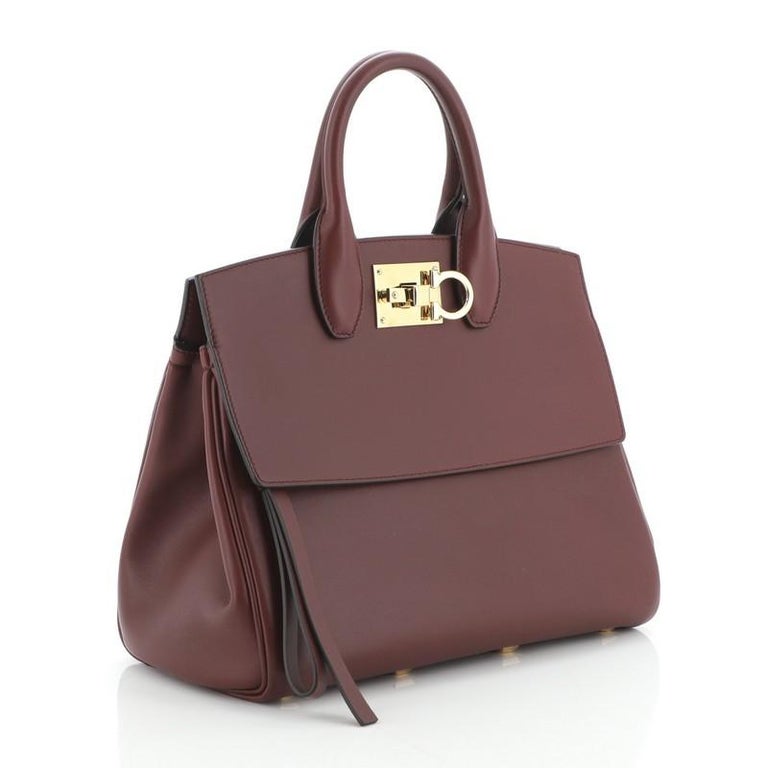
Functioning as the label’s most persistent identifier since the 1960s, the Gancini clasp—a horseshoe-shaped metal hook—has served as the label’s most steadfast identifier since the 1960s. It takes the form of a closure, a embellishing charm, or a functional accent integrated into straps, and it appears across generations of the line without much alteration to its core shape. On many current bags, the Gancini is executed in polished gold-tone or silver-tone metal, sized to be easy to spot across a room rather than tucked away as a subtle detail. This hardware choice is often the surest method to identify a genuine ferragamo bag versus a ferragamo wallets similar-looking silhouette from another house. Some seasonal releases reimagine the Gancini in resin, enamel, or a matte finish, but the horseshoe silhouette itself remains largely fixed. When evaluating any salvatore bag for purchase, scrutinizing the weight, engraving depth, and attachment points of the Gancini hardware gives a dependable sense of build quality.
Top-Handle Bags: A Structured Family
These top-handle pieces from Ferragamo generally trend toward a boxier construction, with reinforced panels that enable the bag to remain upright without collapsing when set down. These shapes generally combine a rigid frame with a detachable shoulder strap, providing two wearing options from a single bag. Stitching on the structured pieces usually falls in clean, parallel lines along the base and sides, a detail worth scrutinizing in-store or in zoomed product photography. Many of these top-handle styles use a twist-lock or push-lock closure rather than a zip, which keeps the silhouette tidy in appearance from the front. Because the frame retains its shape regardless of how much is packed inside, these bags come across evenly on camera whether they’re empty or full. Shoppers looking into the best Ferragamo bags for office or evening use often lean toward this category first, since the structured form comes across as more formal.
Relaxed Hobo and Shoulder-Bag Shapes
More relaxed hobo and loosely draped shoulder bags, built from more pliable leather that drapes rather than keeps a set shape, are part of the range from Ferragamo, unlike the structured pieces. Such designs typically feature a more generous strap drop, meant to rest at the hip or under the arm rather than at the hand. The softer construction makes them markedly easier to tote over a entire day, a functional point often overlooked by style-only assessments. The inside layout of these bags is usually more streamlined, sometimes limited to a single zip pocket and a slip pocket rather than numerous subdivided areas. This is the segment where the house takes the most liberties with shade and surface, including suede paneling and mixed-material straps in certain seasonal drops. For those stacking up Ferragamo’s options for regular rotation, this pairing typically brings the best balance of carrying room and easy everyday use.
Small-Scale and Micro Formats
As the wider fashion pendulum swings toward smaller carried pieces, downsized takes on the label’s signature forms have settled in as a steady fixture of the yearly output. These minis usually retain the full hardware detailing of their standard-size counterparts, such as the Gancini clasp, just scaled down evenly rather than simplified. Interior capacity is limited by design, usually accommodating a phone, cards, and a lipstick rather than a entire day’s essentials, so shoppers should treat these as add-on pieces rather than main everyday bags. Mini formats feature chain straps more commonly than larger ones do, making them appear more elevated appropriate for evening wear. Because the smaller size uses less leather and less metal, these pieces at times provide a lower entry point into the Salvatore Ferragamo bags lineup for first-time buyers. Even so, the price gap between mini and mid-size versions of the same silhouette is often not as wide as buyers might guess, since construction expenses hold fairly steady regardless of scale.
Construction Standards and Materials
Ferragamo bags are produced primarily in Italy, and the leather sourcing reflects the label’s positioning within the traditional luxury tier rather than the fast-turnover segment. Calfskin remains the most common material across the collection, valued for its ability to hold structure while still developing a natural patina over years of use. Suede and exotic-effect leathers surface within select seasonal pieces, generally at a premium relative to the standard calfskin lineup. Hardware is typically finished in-house to match the label’s specific gold and silver tones, which is part of why aftermarket or third-party hardware repairs can visibly clash with the original finish. Stitching density and edge-painting consistency are two of the more reliable quality markers to check firsthand, since both are difficult to replicate accurately outside the original manufacturing process. Those who compare a Salvatore bag against a similar silhouette from a competing house will usually find that these small construction details, rather than the overall shape, reveal the most about relative quality.
The Way our Core Silhouette Categories Stack Up
| Silhouette Type | What Weighty It Typically Feels | Which Closure It Relies On | When It Performs Best |
|---|---|---|---|
| An Handle-Top Silhouette with Firm Shaping | Weightier, rigid build | Either a twist-lock or push-style closure | Fitting to the office and upscale events |
| A easygoing Shoulder Style | Airy, flexible | Secured with a zip or simply left open at the top | Ideal for daily casual carry |
| An Scaled-Down Mini or Micro Shape | Almost weightless and small in scale | Clasp Closure or chain strap | Best reserved for evening and social events |
| Gancini-Accented Crossbody | Moderately light | A Flap Fastened by Gancini Hardware | Ideal for travel and hands-free days |
Things to Consider Before Purchasing One
If authenticity, up-to-date pricing, and access to the complete seasonal lineup matter most, shopping through an authorized ferragamo shop or the brand’s official channels is the surest bet. Consignment sites can provide no-longer-made styles or older Gancini iterations no longer produced, but purchasers should double-check serial numbers, stitching details, and hardware weight before going through with a pre-owned purchase. Settling early on the goal makes sense whether the intent is a tailored piece for work, a relaxed everyday shoulder bag, or a small evening piece, since the three categories rarely overlap in functional use. A much more accurate impression of how the strap drop and weight distribution will feel after a few hours of wear comes from testing a bag on with actual daily items, instead of assessing it empty on a shelf. Color and hardware shade should also be matched against current wardrobe pieces, since Ferragamo’s gold-tone Gancini can read differently under natural light versus store lighting. For those especially on the lookout for the best Salvatore Ferragamo bags of a given season, checking the brand’s own seasonal lookbook alongside shopper photos tends to reveal a more realistic picture than studio imagery alone.
A Few Closing Words on Choosing the Ideal Shape
No single “correct” Ferragamo bag exists, because the brand deliberately maintains parallel lines for different lifestyles rather than pushing one flagship shape. Someone who carries a laptop and documents daily will get more practical mileage from a structured top-handle piece than from a mini clasp bag, regardless of how the mini photographs on social media. By contrast, someone attending frequent evening events will find the smaller Gancini-detailed pieces far more suited to that context than a boxier daytime bag. Budget also plays a role, since mini formats sometimes offer a lower entry price without sacrificing the brand’s core hardware detailing. The most reliable approach is to match the silhouette family to actual weekly habits first, then narrow down color and hardware finish second. Whether the end choice is a soft hobo, a structured frame bag, or a compact clasp style, understanding these silhouette families first makes any Ferragamo bag purchase a far more informed one.